📋 Surveys in Statistics
A survey is a structured set of questions designed to collect information, opinions, or facts from a group of people about a specific topic.
The answers people provide are converted into data that can be organized, analyzed, and interpreted to support decision-making.
❓ Why Do We Need Surveys?
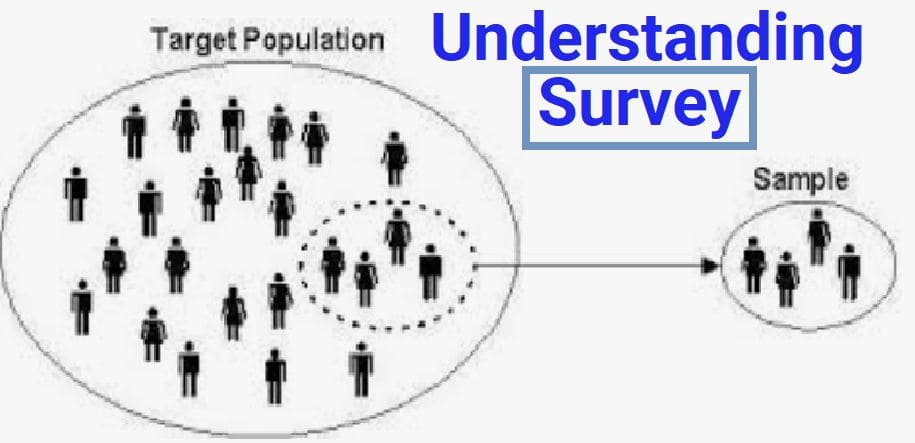
Surveys help us understand large groups of people without having to ask every single person individually.
- 📊 To understand people’s opinions and preferences
- 🏢 To help organizations make better decisions
- 🏫 To improve schools, hospitals, and public services
- 🛍️ To help companies improve products
- 🗳️ To understand public political views
📌 Example
A city wants to build either a new park or a shopping center. Instead of guessing, the city council surveys residents to learn their preferences.
🔍 What Do Surveys Really Tell Us?
Surveys help us identify:
- ✔️ Patterns in opinions
- ✔️ Trends in behavior
- ✔️ Preferences of groups
- ✔️ Needs of communities
- ✔️ Levels of satisfaction
📌 Example
If 70% of students prefer online learning, the survey shows a group trend, even though some students may prefer classroom learning.
🧩 Structure of a Survey
- Title: Topic of the survey
- Introduction/Objectives: Explains purpose
- Questions: Main part of survey
- Report: Results are summarized using tables and graphs
📝 Types of Questions
1️⃣ Open-Ended Questions
Allow people to answer freely in their own words.
Example: “What improvements would you like in your school?”
Advantage: Detailed opinions
Disadvantage: Harder to analyze statistically
2️⃣ Close-Ended Questions
Provide answer choices.
Example: “Which sport do you prefer?” □ Soccer □ Tennis □ Basketball □ Swimming
Advantage: Easy to convert into graphs
Disadvantage: Limited answer choices
📊 How Statistics Uses Survey Data
After collection, survey responses become numerical data that statisticians analyze using:
- 📈 Bar charts
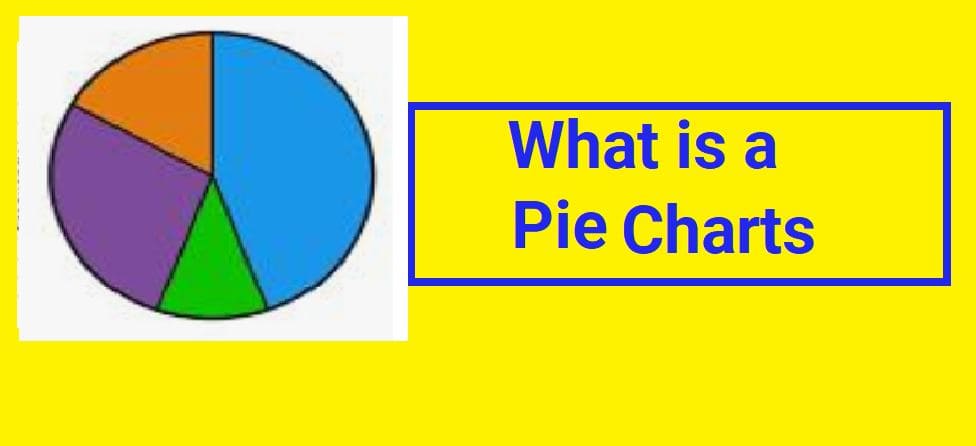
- 🥧 Pie charts
- 📉 Line graphs
- 📋 Frequency tables
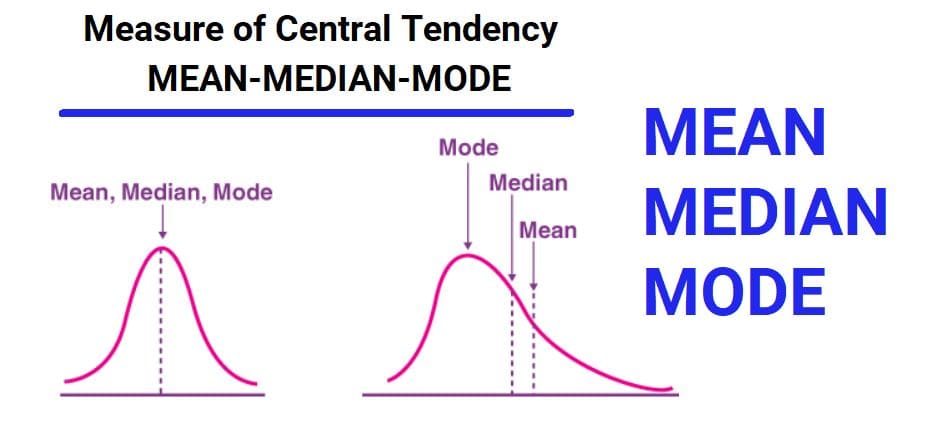
- 📊 Measures of central tendency (mean, median, mode)
📌 Example
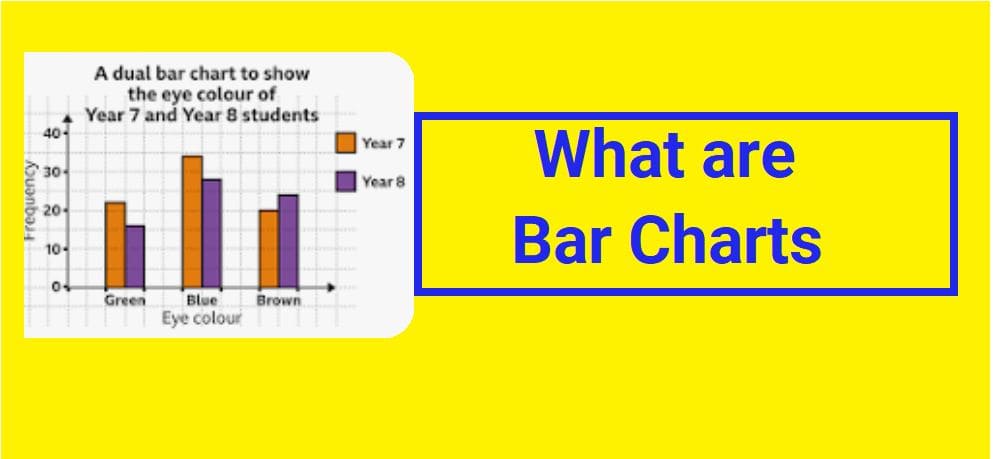
A sports club surveys members about favorite activities. Results are shown in a bar chart revealing swimming and soccer as most popular.
⚖️ Can We Trust Survey Data?
Survey data can be very useful, but its reliability depends on how well the survey is designed.
✅ When Survey Data Is Trustworthy
- Large number of participants
- Random selection of participants
- Clear and unbiased questions
- Honest responses
- Proper data analysis
❌ When Survey Data May Be Unreliable
- Too few participants
- Participants chosen unfairly
- Confusing or misleading questions
- Participants not answering honestly
- Poor data recording
⚠️ Bias in Surveys
Bias is any factor that unfairly influences results, making them inaccurate.
Common Types of Bias
- Sampling Bias: Survey group does not represent the whole population Example: Surveying only athletes about school sports facilities
- Question Bias: Questions are leading or suggest answers Example: “Don’t you agree that online classes are better?”
- Response Bias: Participants give dishonest answers Example: Students exaggerating study hours
- Non-response Bias: Some people refuse to participate
🧪 Sampling in Surveys
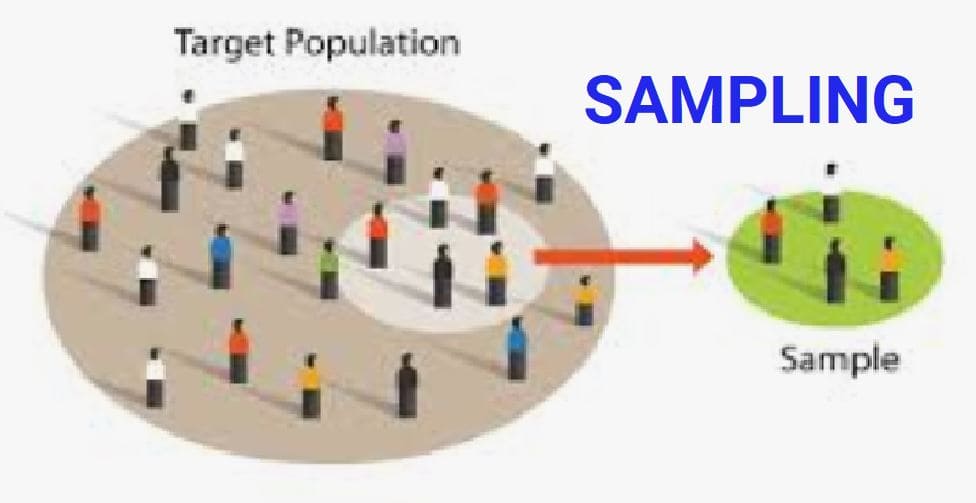
Instead of surveying everyone, statisticians study a smaller group called a sample.
📌 Example
To understand student preferences in a city of 10,000 students, researchers may survey 500 students chosen randomly.
If the sample is chosen properly, results can represent the entire population.
🎯 Real-Life Applications of Surveys
- 🗳️ Election opinion polls
- 🛒 Customer satisfaction studies
- 🏥 Public health research
- 🎓 Education system improvements
- 📱 App and website feedback
- 📺 Television rating studies
✅ Advantages of Surveys
- Collect large amounts of data quickly
- Cost-effective
- Easy to analyze
- Useful for decision-making
- Can reach many people online
❌ Limitations of Surveys
- May contain bias
- Responses may be dishonest
- Some people may not respond
- Misinterpretation of questions
- Results depend heavily on design quality
🧠 Key Takeaways
- Surveys collect opinions and information from groups
- They help identify patterns and trends
- Statistics transforms responses into useful insights
- Good survey design ensures trustworthy results
- Bias must be minimized for accuracy