📘 Course Structure: Statistics for Machine Learning
This course builds a strong statistical foundation required for advanced studies in Artificial Intelligence, Machine Learning, Data Science, Economics, and Scientific Research.
The course is organized into progressive phases so that students develop concepts step-by-step — moving from understanding data to making intelligent predictions and decisions.
🧭 Course Learning Philosophy
- Conceptual clarity before formulas
- Visualization-driven understanding
- Mathematics connected to real-world data
- Statistics as the foundation for Machine Learning
- Gradual progression from basics to advanced inference
🧱 PHASE 1 — Foundations of Data & Variability
Goal: Understand how data behaves and how variability naturally occurs.
📊 Data Basics
- Introduction to Statistics
- Types of Variables
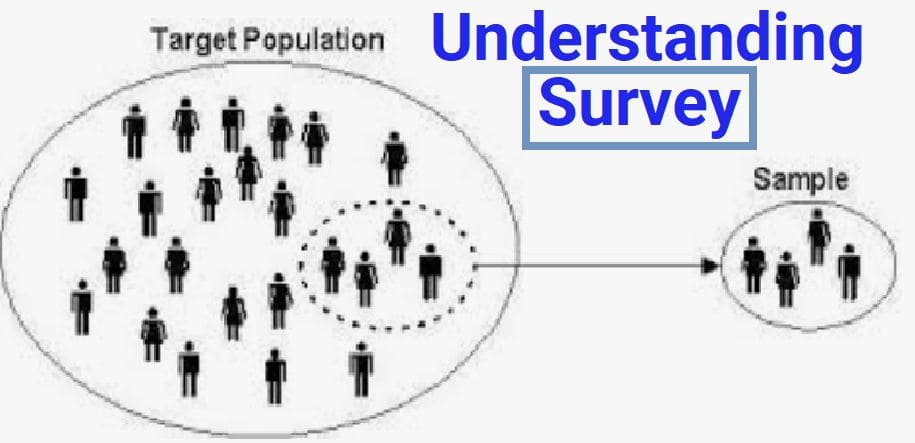
- Surveys and Data Collection
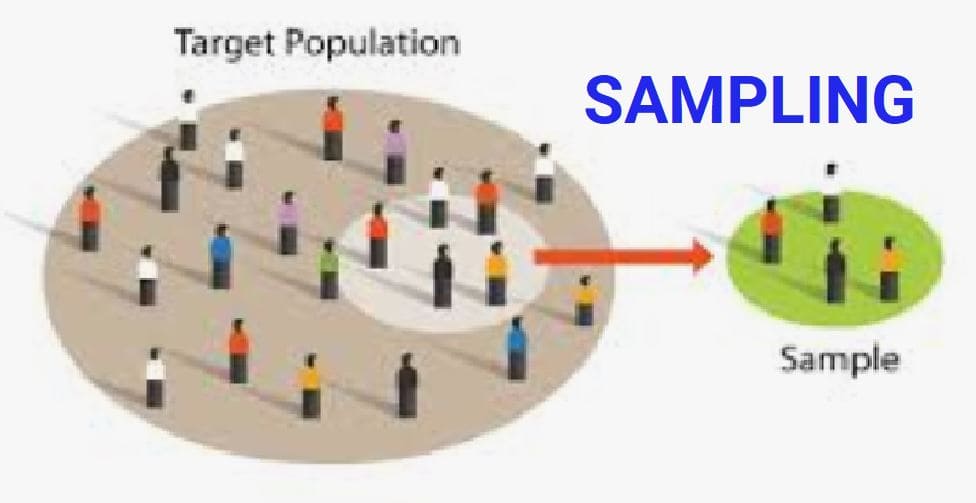
- Sampling Techniques
- Population vs Sample
📈 Data Visualization
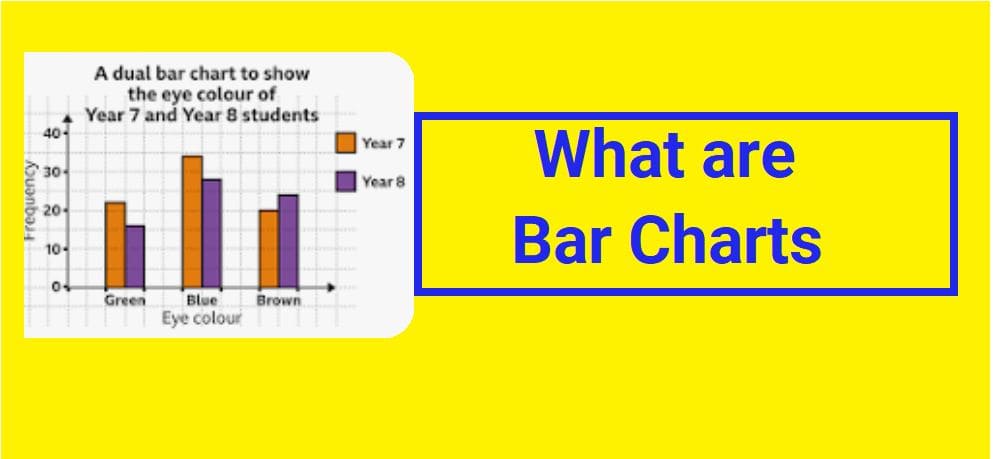
- Bar Charts
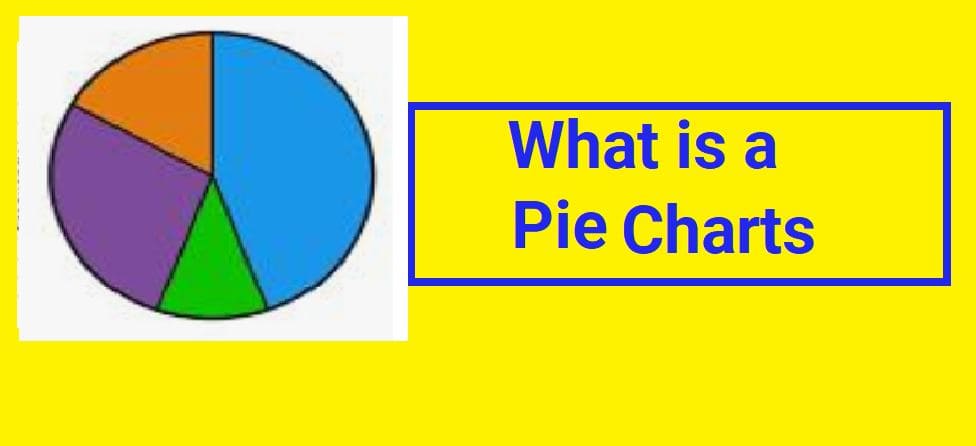
- Pie Charts
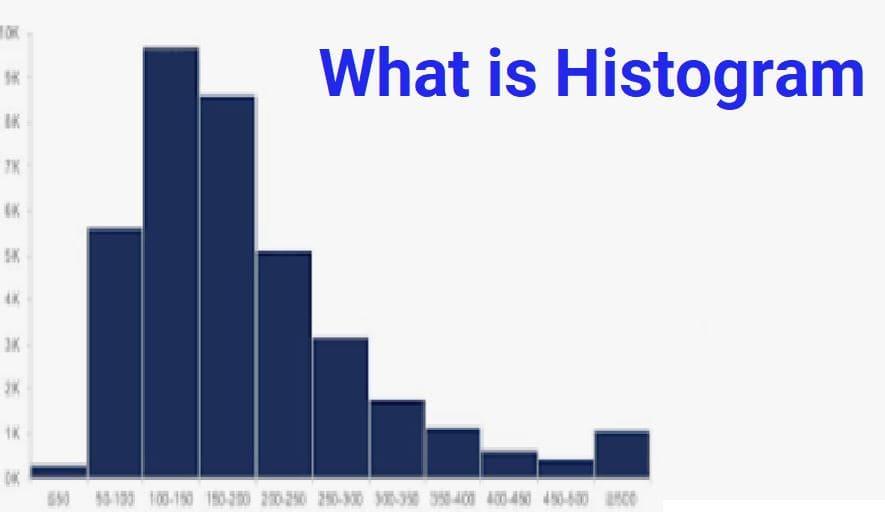
- Histograms
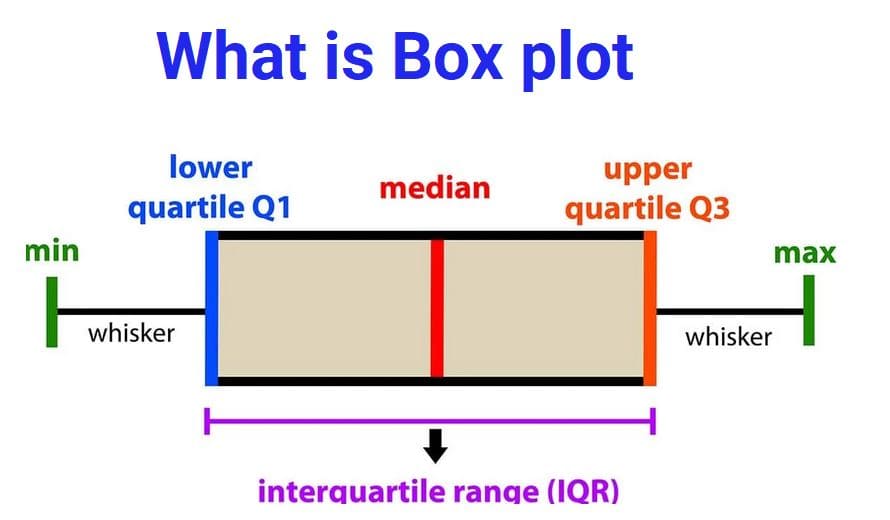
- Box Plots
- Plots for Relationships
📐 Describing Data Numerically
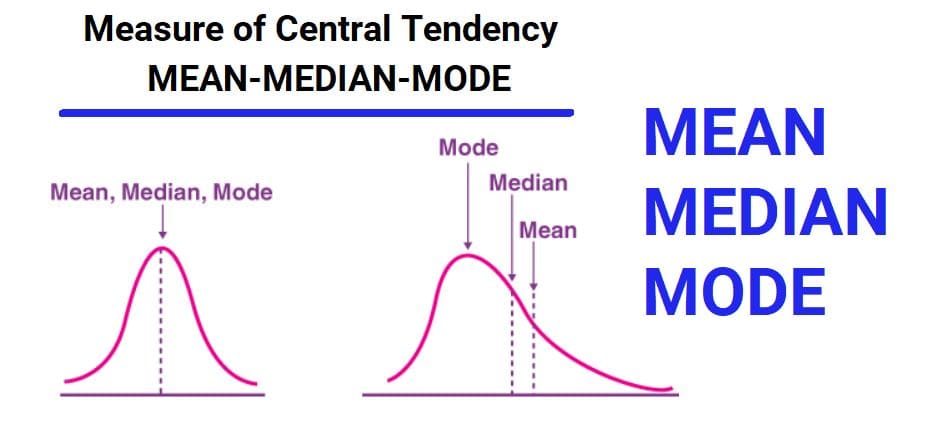
- Mean, Median, Mode
- Measures of Spread
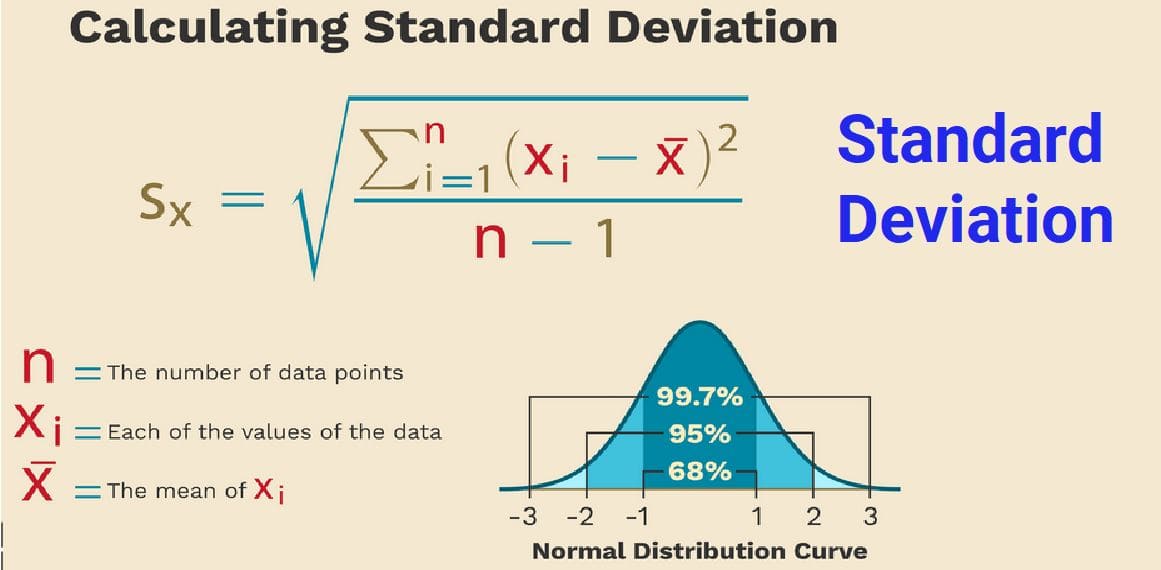
- Standard Deviation
- Percentiles, Quartiles, Quantiles
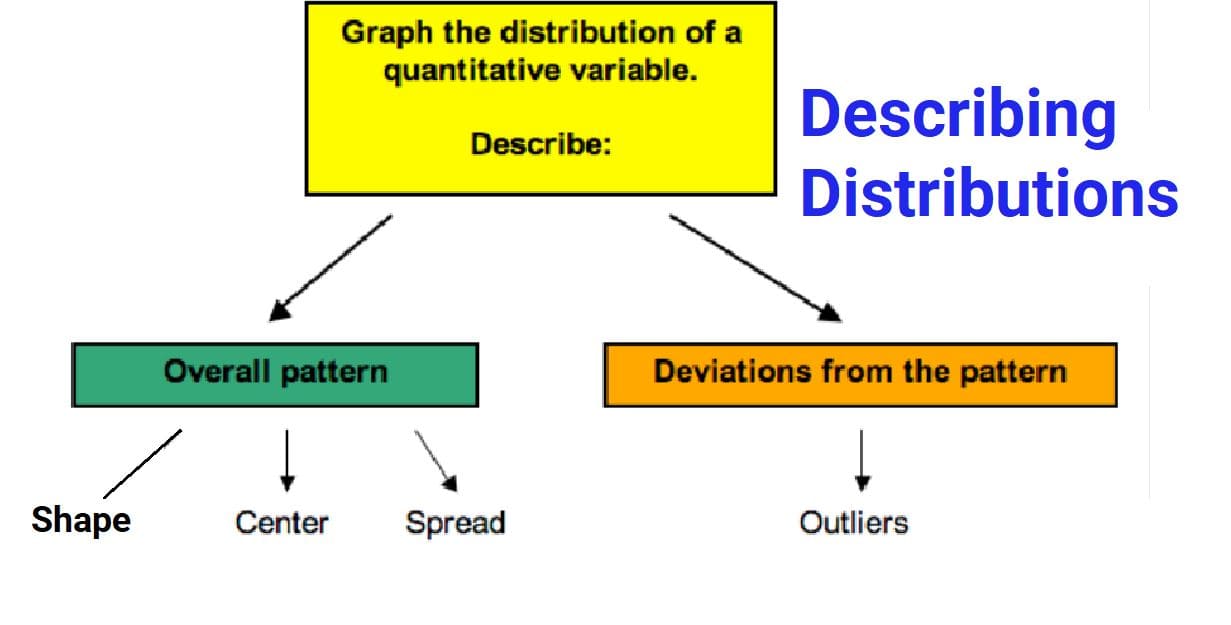
- Describing Distributions
🧮 Mathematical Foundations
- Degrees of Freedom
- Normal Distribution
- Sampling Distribution of the Mean
- Central Limit Theorem
✅ PHASE 1 STATUS: COMPLETED
Students can now understand variability, distributions, sampling behavior, and why averages fluctuate — all essential before making statistical conclusions.
🔍 PHASE 2 — Statistical Inference
Goal: Learn how to make reliable conclusions about populations using sample data.
📊 Topics Covered
- Confidence Intervals
- Hypothesis Testing
🎯 Skills Developed
- Estimating unknown population parameters
- Measuring reliability of estimates
- Testing scientific claims
- Decision-making under uncertainty
🤖 ML Applications
- Model performance evaluation
- A/B Testing
- Experimental validation
- Comparing algorithms
⏭️ CURRENT PHASE: BEGINNING NEXT
🎲 PHASE 3 — Probability for Machine Learning
Goal: Build the probabilistic foundation required for intelligent systems.
- Random Variables (Discrete & Continuous)
- Probability Distributions
- Expected Value and Variance
- Joint and Conditional Probability
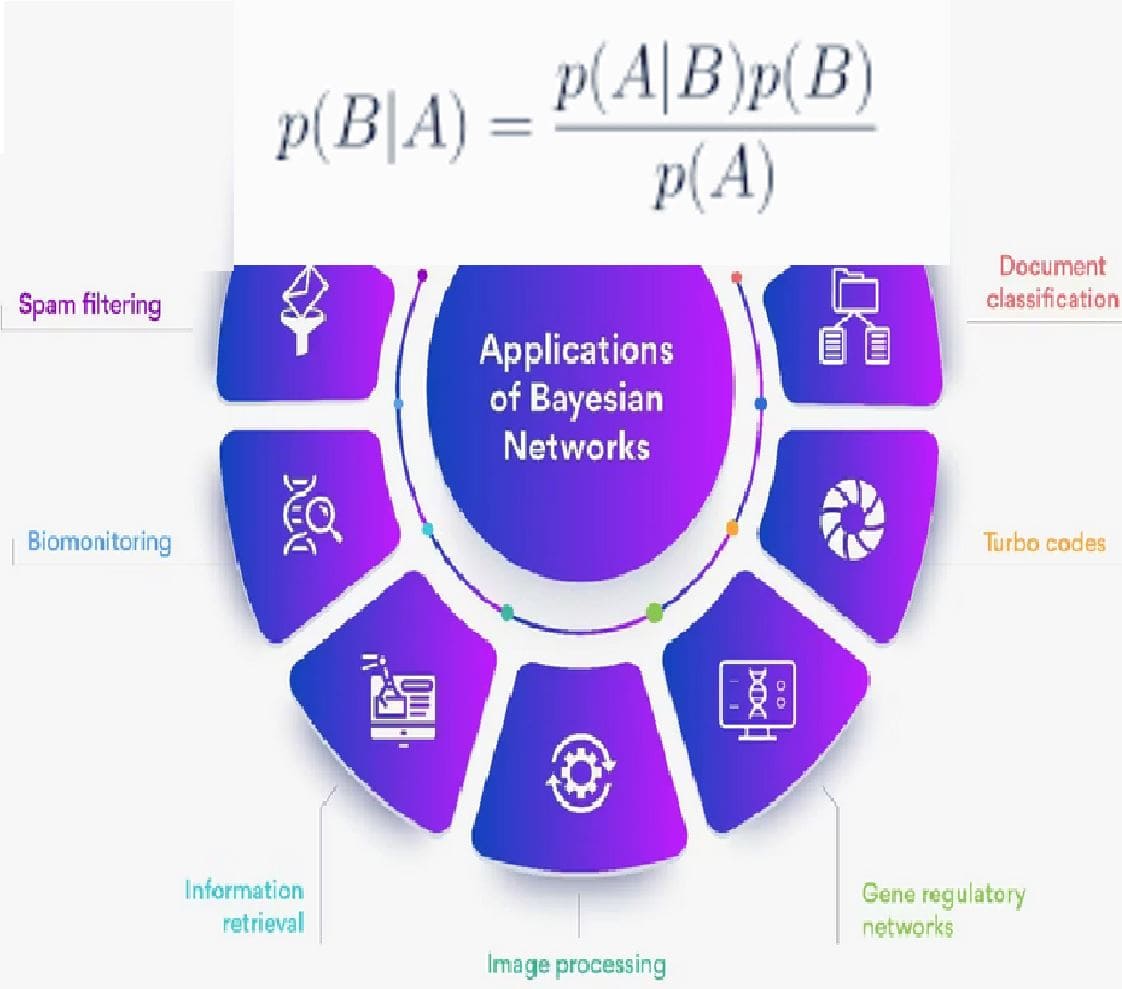
- Bayes’ Theorem
🤖 ML Applications
- Naive Bayes Classifier
- Probabilistic Modeling
- Risk Prediction Systems
- Uncertainty Modeling
📈 PHASE 4 — Relationships & Predictive Modeling
Goal: Understand relationships between variables and build predictive models.
- Covariance
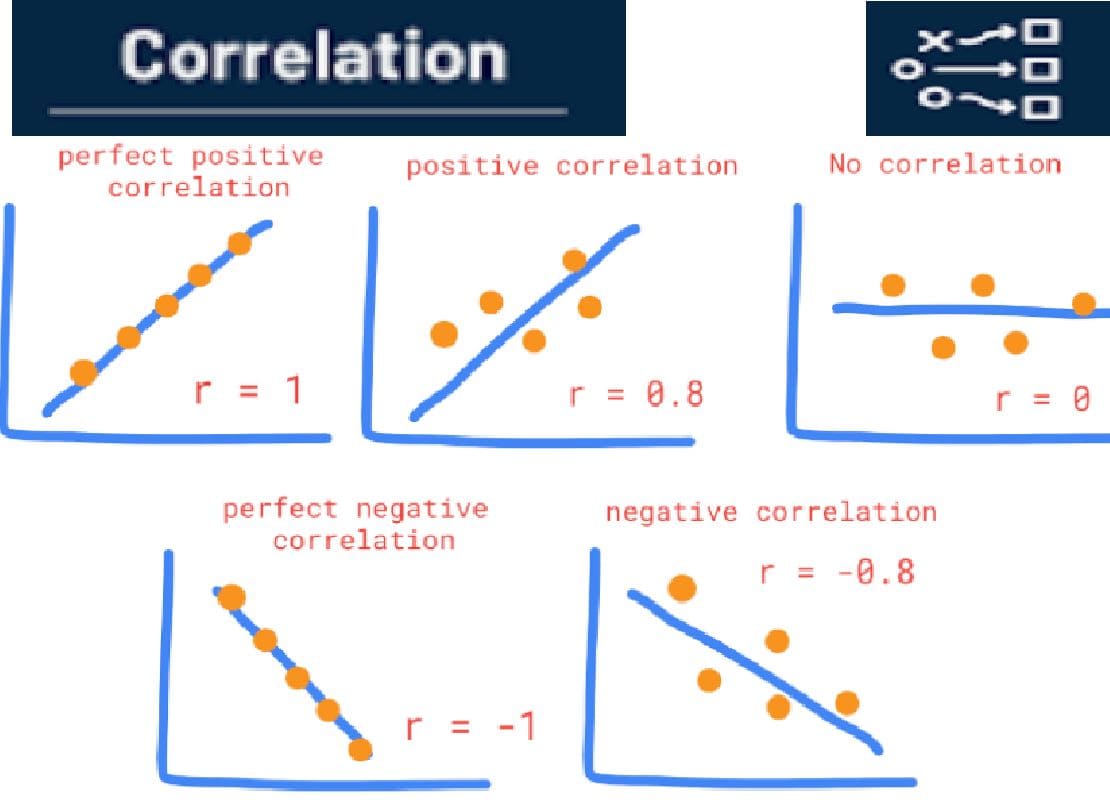
- Correlation
- Linear Regression
- Logistic Regression
🤖 ML Applications
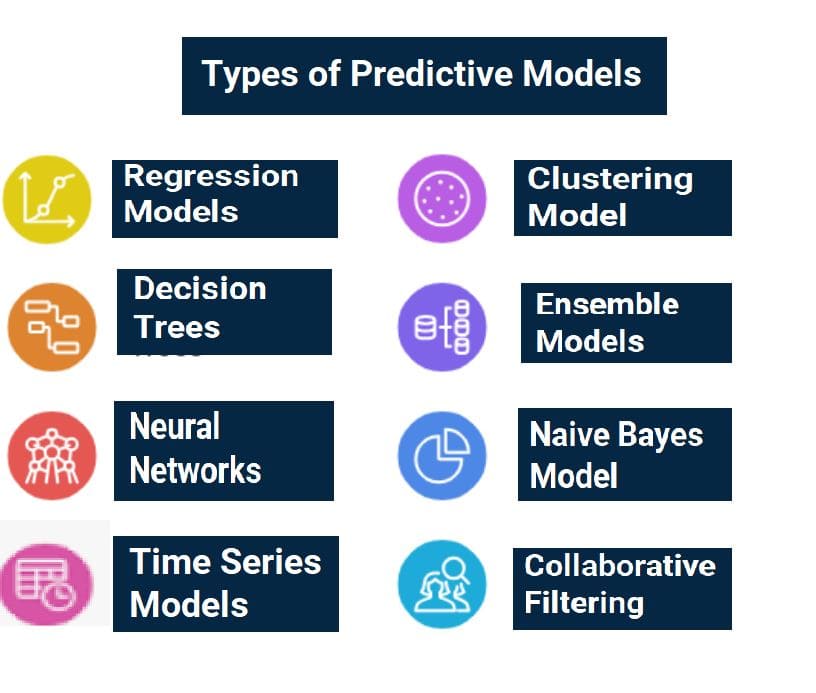
- Supervised Learning
- Prediction Systems
- Classification Models
- Feature Selection
🧠 PHASE 5 — Statistical Learning Concepts
Goal: Prepare for real-world Machine Learning challenges.
- Bias–Variance Tradeoff
- Overfitting & Underfitting
- Sampling Bias
- Data Leakage
- Cross-Validation
- Bootstrapping
🤖 ML Applications
- Model Generalization
- Performance Optimization
- Reliable AI Systems
🎓 Learning Outcomes
By the end of this course, students will be able to:
- Understand data behavior and variability
- Interpret statistical results confidently
- Make evidence-based decisions
- Build and evaluate predictive models
- Understand uncertainty in AI systems
- Transition smoothly into Machine Learning specialization
🚀 Course Progress Roadmap
| Phase | Focus Area | Status |
|---|---|---|
| Phase 1 | Foundations of Data & Variability | ✅ Completed |
| Phase 2 | Statistical Inference | ⏭️ Next |
| Phase 3 | Probability for ML | 🔜 Upcoming |
| Phase 4 | Predictive Modeling | 🔜 Upcoming |
| Phase 5 | Statistical Learning | 🔜 Upcoming |