📊 Standard Deviation
When we study data, knowing the average (mean) is not enough.
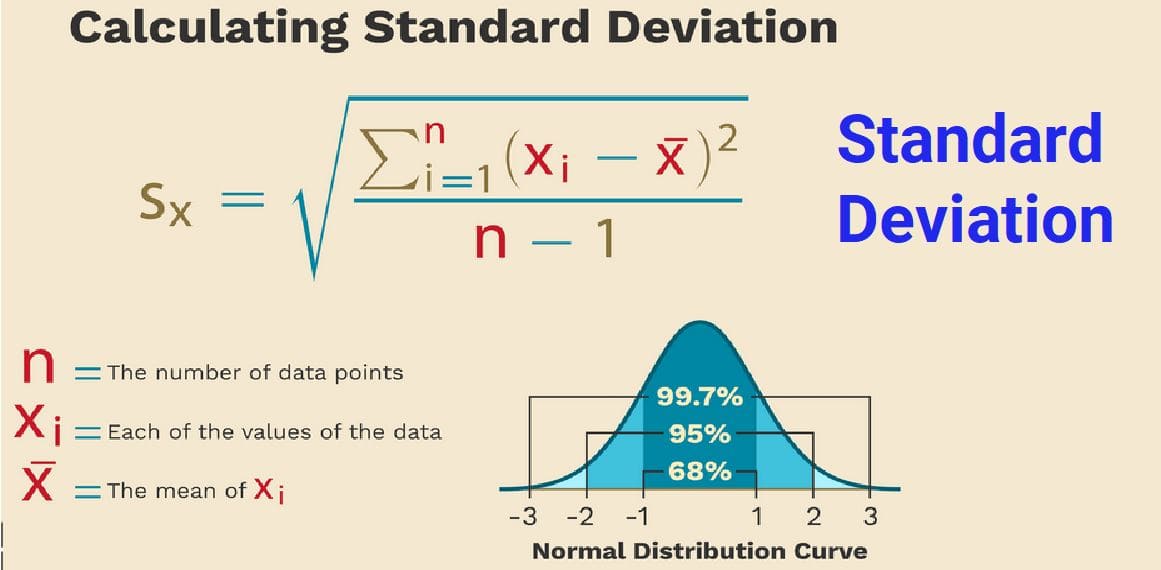
The measure that tells us how spread out values are around the mean is called the Standard Deviation.
🎯 What Does Standard Deviation Measure?
Standard deviation measures:
- Small standard deviation → Values are close to the mean
- Large standard deviation → Values are widely spread out
📏 Example Dataset
Consider four test scores:
75, 80, 85, 80
Step 1 — Find the Mean
Mean = (75 + 80 + 85 + 80) ÷ 4 = 80
Now we want to measure how far each score is from the mean.
📐 Step 2 — Find Deviations from Mean
| Score | Deviation from Mean (Score − Mean) |
|---|---|
| 75 | −5 |
| 80 | 0 |
| 85 | +5 |
| 80 | 0 |
Some deviations are negative and some positive.
❌ Why Not Use Absolute Values?
We could take absolute values:
|−5| = 5, |0| = 0, |5| = 5, |0| = 0
Average absolute deviation = (5 + 0 + 5 + 0) ÷ 4 = 2.5
This works, but absolute value creates mathematical difficulties in advanced calculations.
✅ Better Method: Square the Deviations
Instead of absolute values, we square each deviation.
| Deviation | Squared Deviation |
|---|---|
| −5 | 25 |
| 0 | 0 |
| 5 | 25 |
| 0 | 0 |
Now average the squared deviations:
(25 + 0 + 25 + 0) ÷ 4 = 12.5
📉 From Variance to Standard Deviation
Variance is useful, but its units are squared.
If scores are in marks, variance is in marks², which is hard to interpret.
Standard Deviation = √Variance
= √12.5 ≈ 3.54
Now the units return to normal marks.
🧠 Conceptual Meaning
Here it means scores typically vary about 3.5 marks from the average score of 80.
📊 Comparing Spread Using Standard Deviation
Class A Scores
78, 79, 80, 81, 82
Class B Scores
60, 70, 80, 90, 100
Both classes have mean = 80
- Class A → Small standard deviation (scores close together)
- Class B → Large standard deviation (scores widely spread)
📘 Why Divide by (n − 1) Instead of n?
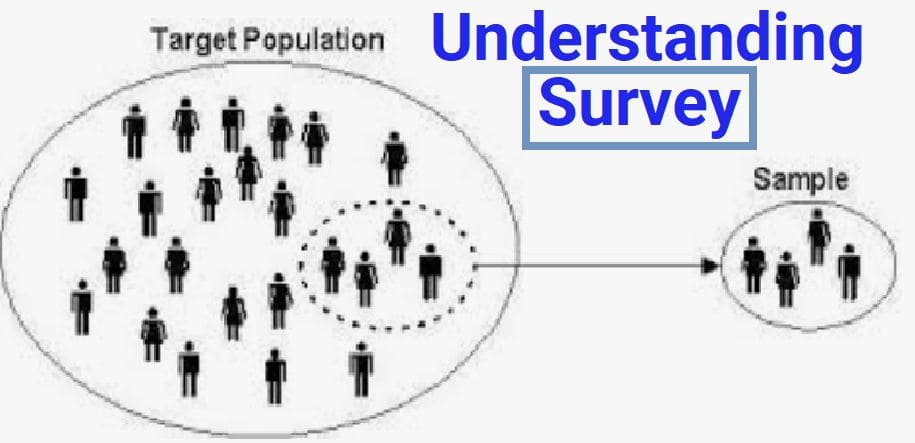
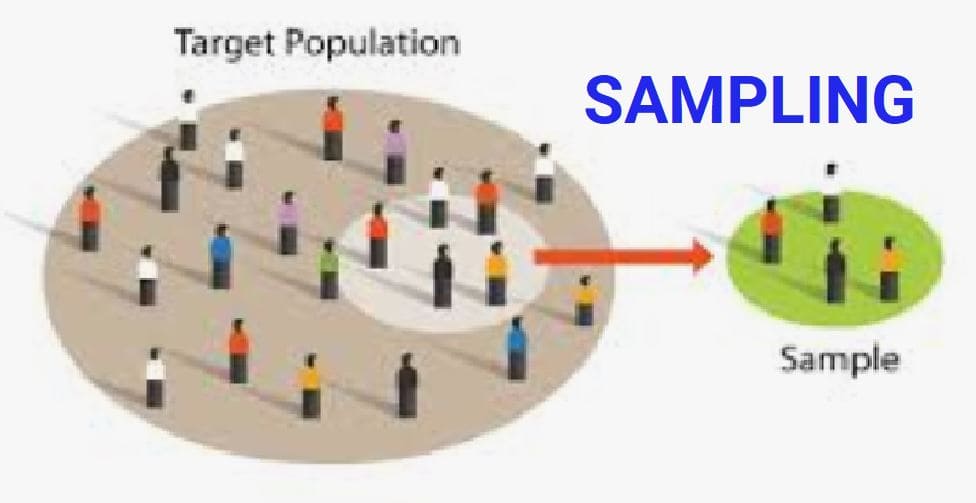
When data is a sample (not the whole population), we divide by (n − 1).
💡 Conceptual Idea: Degrees of Freedom
If we know the sample mean, not all values are free to vary.
Example: If the mean of 4 numbers is 80 and first three are known, the last number is fixed.
This correction makes the standard deviation more accurate.
🌍 Real-Life Uses of Standard Deviation
- 📊 Exam performance analysis
- 💹 Stock market risk measurement
- 🏭 Quality control in factories
- 🌡️ Weather variability studies
- 🏃 Sports performance consistency
📌 Quick Summary of Formulas
Variance (Sample)
Average of squared deviations from mean
Standard Deviation (Sample)
Square root of variance
🧠 Key Takeaways
- Standard deviation measures spread of data
- It shows typical distance from the mean
- Small SD → consistent data
- Large SD → highly variable data
- It is widely used in science, business, and research